Friday, July 20, 2018

Newsweek 2018 Interview - Jana Miller AKA BoneLust

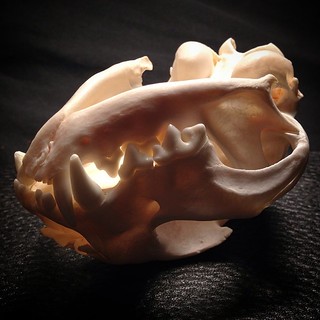
The skull of a cat named Lucky, a preserved pet heart, a heart pendant, and the skull of a dog named Frank. All are pet memorials created for clients of Bonelust.My previous Newsweek feature about my pet memorial work.

-----

I did this second interview below with Newsweek in April/May of 2018 and it never went to print for unknown reasons. Some of the things we talked about are no longer relevant. So I added those edits to this in italics. This would probably have been significantly edited as most interviews are. Especially since this is so very long because I kept being asked additional questions as this interview evolved. So, here is the whole thing in Q&A form for anyone that really wants to know more about me and how BoneLust came about to be.

Cats and bones are a common sight at BoneLust Studio. This is Luci with equine skulls.

1. What do you refer to yourself as in your line of work?
As a lifelong collector of found objects, especially those from nature, I like to think of myself as a natural history artist and collector. My business card says - Ethical Bone & Taxidermy Artist. I’ve been called a lot of things though, a favorite is “the ultimate recycler”.

2. How did you get into processing animal remains? Why do you like it? Is it your main source of income? 

I grew up in a very nature oriented family. I could go as far as to saying we are naturalists. My parents, John and Mary, are also here in Florida. My mother worked for years in recycling and these days has had much success in bringing back the troubled Eastern Bluebird population, with her Audubon work. My father is a retired hydrogeologist that had his start in the Peace Corps, turned writer of speculative fiction. Our family has always been heavily involved in native plants and wildlife here in Florida. So, I grew up admiring and respecting the natural world, always curious to learn more. I would find dead creatures around our home or bring them home from family beach outings like starfish, sand dollars, and horseshoe crabs. This is where my learning process began for the preservation of these kinds of creatures.

I love the whole process involved in starting off with a dead creature and seeing what I can do to salvage it… and how nature can help, like carrion insects. I learned to identify what different animal species skeletons look like  from processing them myself. I love the science involved in these processes as well. I do a lot of experimentation and am always learning new things. There is a lot of satisfaction for me in taking a found deceased animal and making something beautiful to honor their life. It does not always have to be art. Sometimes it is just the cleaned skull. But a favorite is my Token From The Heart series where I use a self taught process to dry preserve the heart. Then use it in jewelry or displays. A fairly literal representation of honoring life after death.

This is a full time job for me and my only income. Well to be technical, I find and process most of the animals used in my art and jewelry. I started using bones and other dead things in my art and jewelry back in the 1980s. In the early 1990s I first used real human teeth in jewelry. I also do Pet Memorial processing work these days. This was something I only did for years for friends before receiving overwhelming requests from the public. Once I felt fully comfortable with my skills I offered these service to mourning pet families here in the US. There is no higher honor for me than this.

Token From The Heart series dry preserved animal heart pendant necklaces by BoneLust.
3. Do you have any significant experience that you might like to share, like your first experience with processing remains, or the first dead animal you found? 

One day my older brother, Chris, and I were exploring the neighborhood when we came across a tiny mummified hatchling turtle being devoured in an ant pile. I recall arguing over who was going to get to keep it. With me being only 7, and he being 10, of course he won. That was the moment that got me fascinated with what’s inside an animal, inside us that makes us alive.. and what happens when it all stops. My brother and I had a collection in his room for years that was our own natural history museum. I coveted that turtle for a long time and he finally passed it onto me when I was 23. It wasn’t just a dead turtle to me, it meant much more.

Another time we found a massive dead shark on a beach and our parents were less than happy that we ran up to it and were trying to pull the teeth out!

Here’s your funny story! After one family trip, I brought home countless sadly dead starfish that I found on a beach. My plan was to somehow preserve them. If only I knew then what I know now! I BOILED them and made a massive nasty smelling pot of rotten starfish stew. Yuck! One of the worst smells. I was pretty young so who knows my logic behind this. Everything I know now I taught myself from mistakes like this. Years before you could ask the internet how. Before there were even books on the topic.

Another significant bit of info. My family had a pet cemetery garden in the back yard where we said goodbye together to our cats that passed. I had my own personal mini cemetery as well in a different part of the yard that I buried anything that I found dead - lizards, toads, frogs, mice, insects, etc. I don’t think anyone else knew about it. But I found comfort in this ritual. A way to deal with death as a child. My family has always been very open about death. In my early teens my rat, Louie, had to be put to sleep because of a tumor. Louie was the first pet memorial processing I did. I don’t think it was even planned this way. I just wanted to know what his skull looked like. I still have it lovingly at my work desk. Fast forward a lifetime of experience, I now do pet memorial processing as a large part of my income.
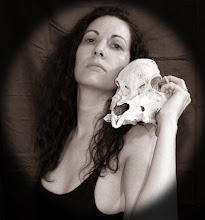
Self portrait of the bone artist, Jana Miller.
4. Is there any sort of timeline that can help explain how and why bone collecting and taxidermy gained popularity?

I assume you are asking about this modern resurrection. But what comes to mind is how the cabinets of curiosities in the 18th-19th centuries in particular created today’s Natural History Museums. That age of rampant natural history collecting spurred some of our much needed animal parts laws to come to be. Like the Migratory Bird Treaty Act, with the decimation of bird populations all over the world due to these trends in collecting and fashion.

The last time there was such a massive public boom of interest in natural history collecting, was then. However, I believe that it was the television show “Oddities” that brought back to the public eye natural history collecting and art. It began in November of 2010. At that time I coincidentally was already making regular posts to my bone processing and collecting blog, Bonelust, that I made public in April of 2009. So it seemed like a sign to me, that my desire to take my lifelong hobby one step forward to a full time business, was a good one to follow through on. 

I grew up being fairly secretive about my bone processing with friends, and family. Back then it was not as mainstream acceptable or trendy and instead very highly looked down upon. Sick and freak were very degrading things to be called then… complete opposite these days! Which I honestly still am trying to get past that stigma sometimes. While I am very well know and respected now in certain circles. I still don’t tell most strangers that I meet what I really do for a living.

5. Do you have any ethical concerns about the growing community? 

Absolutely. With the rise in animal remains in jewelry and art being a trend now, of course many people see this as an opportunity to make money and jump on the bandwagon without any regard to their supply sourcing. I have seen a disturbing amount of shops open up online overnight that were just buying supplies from others without questioning where they came from, how they were processed, not checking if they had been identified correctly, or if they were even legal to have or sell to begin with. 

6. Do you feel like the community is doing enough to keep things as legal as possible?

There were huge issues around 2010-2015 with a lot of people new to this community not knowing the animal parts laws that apply to them. There is a lot of research to do before just blindly buying or selling animal by-products. There were even some that were killing animals themselves from the wild just to put in their own collections, which absolutely disgusts me. I have personally been trying very hard to educate others since early on with my Bonelust blog and social networking about the legal ramifications of this trend for the collectors, artists and shop owners. Things everyone needs to know like animal parts related federal laws, state laws and import/export info. It was a massive issue early on. But now I do see many more people aware of these things and acting on them in a much more positive note.

Since this interview there has been a troubling amount of issues on Facebook in particular with the sale of anything using animal by-products (bones, fur, feathers, etc). FB banned the sale of live animals on April of 2017. Now they have redefined their prohibited content list expanding to dead animal by-products ("
Any part, pelt or skin from an animal, including fur"). This is a huge problem as it was caused by those on FB illegally selling animals that are protected/endangered/etc. There is a poacher issue on FB for sure (just as there is on eBay and Etsy). Those of us that are doing things in a very legal manner are getting hit hard by this. It could cause the downfall of the current climb of interest in these things. It is rumored that this could also spread to Instagram, which is owned by FB. Many of us that run small businesses full time like myself rely on FB and IG for sales. So this is very much something of serious concern.

7. Do you think it will gain any more popularity in the future?

I personally think I saw the resurrection of this hobby hit a peak in probably 2015. I feel as if it had a little decline after that and it is now at a plateau. I see new artists, online shops and brick and mortar storefronts come and go on a regular basis. But the thing is, I do still see new original ideas happen now and then too. Which really is amazing to me at this point because this is such a very saturated business to get into now.

Since this interview I have noticed a spike in the success of more and more large scale US events based on the topic of natural history collecting, art and jewelry. But see previous question about Facebook issues that may cause a decline in this hobby/profession.

Naturally deceased natural history items collected for art supplies.

8. Can you tell me (or estimate) how many different dead animals you have in your home, and how many alive? 

Haha, oh wow.. I just can’t even estimate the dead ones. Hundreds of different species at least. Thousands of different animals. And that has got to sound incredibly creepy to some people out there reading this! Rewind back to 2009, when I lost government funding for my then Federal salary (I worked for the USGS/NOAA). After that I went through some really hard times. Completely unable to get a job anywhere for years as I struggled to even feed myself and my pets. So I did not even have a secondary income to buy supplies for Bonelust when I first made my art available to the public. So, I collected natural supplies I found everywhere I went. I think it made me hoard supplies even now, if I’m being honest, ha! 

Once Bonelust became a stable income for me I was able to sometimes buy new skull specimens from species I can’t get here on my own. Normally I prefer to find/process them myself. But not everything lives here in Florida, or can be shipped here raw. So, my skull collection really grew in the past nearly 10 years now since the birth of Bonelust!

The “alive” situation is also pretty unbelievable really. My partner, Tim Prince of Forgotten Boneyard, and I do a lot of rescue work. The part of Florida we live in has some of the worst disregard to wild and domestic animals we’ve witnessed in all of our lives. So we always have more dogs and cats in our care than any sane person should! You can see our rescue work posted now and then to our Instagram accounts (BoneLust & Forgotten Boneyard). We always seem to need good homes for dogs and cats. Our current dog count is only at two, thankfully. Both rescues we fell in love with and kept. A basset named Champ, and a beagle named Kismet. We literally just took in 3 new cats in under a month. An old male cat left to starve on a rural beach, whom we’d love to find a good home for. The other two are young females we just found last week that we will need homes for for sure after we have them fixed etc - one is a manx and the other is a hemingway polydactyl cat! Besides those three new kitties, we have 10 others I won’t list all the names of. Most were rescues. And my Leopard Gecko that might be a world record over 30 years old! I’m sure there are more cats, dogs and wild animal rescues in our future! Oh, we also help care for 20 plus not-very-feral-anymore cats that I’d also love to find real homes for that they deserve.

Since this interview we found a forever home for Monkey the 
polydactyl cat. We still really need to find a home for Bobby the Bengal mix Manx. Our neighbor has since fallen into mental and physical decline of health and his family took him and left his cats in our care. We now are going to have to try to find forever homes for over 20 cats of his that I have been working very hard to domesticate the past few year. If you are looking for a loving cat that really needs a real home PLEASE contact me at Facebook, Etsy or Instagram. I seriously fear that these cats will be killed if we can not find them homes which is utterly heartbreaking. They came to be because of animal hoarding and neglect. They deserve to have a good loving home now.

9. Is there anything else you'd like to add?

I’ve found that too often the people that have no interest in this field of work, type of preservation or collecting are the ones that make negative assumptions about the people that do. Many of us would never harm a living thing, especially not for our work. Some of us do rescue and rehabilitation work with wild and domestic animals. There are even vegetarians and vegans in this community. We are not the serial killers we are thought of. We are from all walks of life. We are often friendly and approachable. Happy to educate and share our interests with others. If you have the open mind for it.


Afterthoughts I hesitated publicly sharing:


Originally the topic of this interview started off - "What does Vulture Culture mean to you?"

That turned into - "You mentioned you don't like the term "vulture culture." Why's that, and is there another term you'd like to use?"

I turned that question into - "What do you refer to yourself as in your line of work?"

Why didn't I want the focus of an interview about me to be about the term Vulture Culture?

First off, it is something that came to be over 25 years after I was already doing "Vulture Culture" processing, collecting and art. Even after I already had my bone processing blog, BoneLust shop and a large following. While others apply it to me now, it is not how I define myself.

But mostly because of how I have seen people online passionately argue about what Vulture Culture means. Some say it must be ethical. Animal ethics is different for each person, a matter of opinion. So that complicates that definition already. Then others say it does not have to be ethical at all. I don't want these definitions automatically assigned to me by those personal opinions of others. I wanted the focus of this interview to not be distracted right off by this term.

Lastly, I did not want to offend anyone that does claim the term and take it very personally in who they are and their work. I hope none of this offended anyone in this community. I strongly support this community.


Wednesday, May 24, 2017

Get Help on Facebook: Bone Collecting & Processing Groups

Hello! I apologize for turning off commenting here and never answering some questions. I had way more questions coming in than I will ever have time to fully answer. Plus it is hard to really help you guys here without seeing your photos. So I’m redirecting you to a much better format to help you out - my Facebook groups.

If you did not already know - I’m a full time natural history artist and pet aftercare specialist. Which are my only means of income. My shop is Bonelust.Etsy.Com

I have an overwhelming amount of Pet Memorial Services I’ve taken on. And also find and process most of my own supplies, which is very time consuming.

All while answering countless bone processing, bone ID and art related questions daily at Instagram, Tumblr, Etsy, Flickr & especially Facebook. If you want help with processing or identification I highly suggest you join the related groups below. Even if I am personally too busy to answer your questions one-on-one, there are still a lot of very helpful and experienced members in my groups.

August 2020 Update - My Facebook groups have been around the longest & with the most members, on these topics:

Worldwide members, natural history group: For processing help, identification help, and to show off collections. There is a main focus on bones but it is open to all things natural history. - Skull Collecting

Worldwide members, natural history art group: For artists to share/sell the art, taxidermy & jewelry THEY made from animal by-products and for others to buy. Related drawings, paintings, digital art and photos are also OK. - Bone & Taxidermy, Art & Jewelry


I have more groups but those are the two main groups and from there I can redirect members to more specific groups. Request to join and once I approve you you can start interacting. PLEASE allow me some time to review your FB profile to make sure you are not a bot. I run many groups with over 100K combined members. Sometimes it could take some time before you are added so I appreciate your patience, thanks and see you there!

In the meantime, if you need bone processing help I suggest redirecting to this blog post of mine - 
BONELUST BLOG QUICK LINKS - Answers For Your Bone Processing Questions Are Her 

Saturday, February 20, 2016

BONELUST Q&A: "How can I become your assistant or do an apprenticeship under you?"


I'm always so humbled to get this question. I love that I got so many of you interested in bone collecting, processing and art but everything done at BoneLust is a one woman show and will likely always stay that way. Not that I don't wish I had little packing gnomes helping me get orders out, but because I'm a very private person, I don't have an actual art studio or storefront.

Everything you see here, happens on my property and in my home. I don't honestly have the time to take on an apprentice right now either. I am already teaching my skills daily at my blog & countless social networking locations. If I ever have a workspace NOT at my home this may all change though!

Best I can do is to continue making educational posts here. In case you don't already know, this is where I share my lifetime of bone processing experience. Priceless info, free of charge. So take advantage of it.

As for learning how to do what I do as far as my art goes, I'm completely self taught. Literally a lifetime of experimenting with different art mediums. You're just going to have to dive right in and get your hands dirty. Experiment. Find what mediums YOU enjoy. Do countless hours of research online for supplies and processes. Create, research, experiment, repeat... again and again and again. This is how I do everything I do, daily. Good luck! Jana

Tuesday, September 1, 2015

BONELUST BLOG QUICK LINKS - Answers For Your Bone Processing Questions Are Here

BONELUST CUSTOM ORDER: Pet Processing for a customer - Menoh. Only part of the skeleton is pictured & it arrived with missing teeth.

Apologies in advance! I get countless messages in many online locations daily about bone processing, bone ID, etc. Please try to find your answers in these links before messaging me. If you still have questions you are welcome to ask but I may not reply for a while.

Sorry guys, I'm a full time self employed bone artist and simply do not have the time to always get back to your questions in a timely fashion. Especially when it is a time where I have to really focus on something like holiday sales. Which start for me in October. Or an art show or convention that could be any time of the year.

Please take note of the SEARCH THIS BLOG field to the right here where you can quickly search for answers in my many posts rather than having to look for it one at a time. 

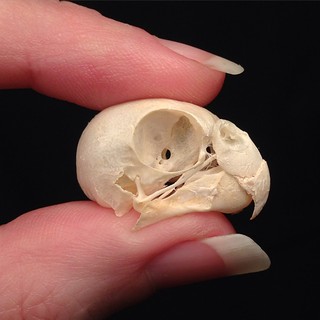
BONELUST PERSONAL COLLECTION: Parakeet Skull. This domestic bird is one that's entirely legal to have in your collection. 💀♥💀


FOR EVERYONE WITH QUESTIONS ABOUT PROCESSING BIRDS: 

I really hardly ever post anything anywhere in general about birds because of legal issues. Most birds you're going to come across in US/Canada are illegal to have any part of dead or alive because they are Migratory Bird Treaty Act protected species. If you were to macerate most birds you're likely going to end up with nothing but a stinky pile of mush. To process birds, rodents & small reptiles/amphibians you can't really macerate like larger medium sized animals. You literally have to carefully remove the feathers, skin & muscle with surgical tools, tweezers & scissors as best you can. I rarely do this myself because it is so tedious. If it is mummified it may be even harder to accomplish. Or you can soak a while in water & if you're lucky you can carefully peel away the skin from the bones & just hope that most of the muscle was already eaten away by carrion insects. I'll have to make a longer blog post about this sometime for sure. But for now there's this one:


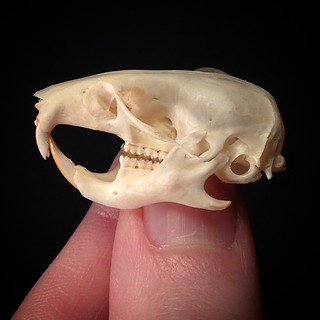
BONELUST PERSONAL COLLECTION: A new rodent skull addition to my personal collection - Golden Hamster AKA Syrian Hamster, Mesocricetus auratus. It is approx 1.5" long. ♥💀♥

A LITTLE MORE ABOUT BIRD REMAINS:

Most of the birds protected by the MBTA are not endangered. They are very common and abundant. But that was not the case when the MBTA was created back in 1918. Many common birds were being wiped out into extinction from people hunting them and collecting them & their eggs/nests for their collections. And people using the feathers in fashion. That's the misconception that most people don't understand now. The species that are alive now were saved from extinction by the MBTA. That's why they are so common and abundant now.

It is illegal in US, Canada, Mexico, Russia and Japan to even possess bird remains of species listed on the MBTA. We can not have or sell birds, feathers, bones, eggs, or even nests from anything on that protected list. Likewise, you could be fined up to $15,000 and/or do jail time for having/selling them. So be careful!

Your legal common bird options are - European Starling (Sturnus vulgaris), Feral Pigeon (Columba livia domestica)House Sparrow (Passer domesticus), chickens and other domesticated birds and birds like quail, grouse and pheasants. But some of those game birds you still need permits to hunt and can not be sold.

I want to point out as well that there are MANY pigeon/dove species that ARE protected species and many people have a misconception that they are not. Only Feral Pigeons are OK to have. Also, people often mention that crows are hunted and OK to have. Not that simple. You must have a permit to hunt where they are permitted to hunt and do so in season. Also, hunted crows can not be sold, they can only be gifted. Info about Regulations For Crows.


Final List of Bird Species to Which the Migratory Bird Treaty Act Does Not Apply - Note though that it is somewhat out of date - file orig dated 2005, PDF from 2008. Could be changes since then.

Tons More Animal Parts Laws Can Be Found Here. Here in the US you can quickly look up info on your exact state at the link above which is especially helpful with some laws being so varied from state to state.

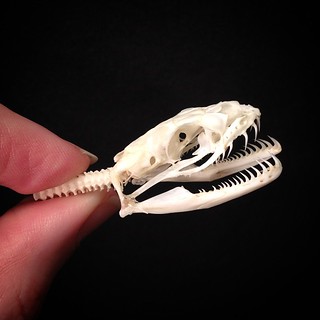
BONELUST PERSONAL COLLECTION: The smaller of the 2 snake skulls I posted a couple days ago cleaned up beautifully!. Exact species unknown. But I was told it is from the Colubridae family. I took this photo at an angle to show you how the jawbones don't co

Here is a list of my most frequented blog posts and topics related to the questions I get for quicker reference to find your answers.

TIPS FOR BEGINNER BONE COLLECTORS:

BONELUST BONE PROCESSING Q&A: I want to start collecting bones/animal remains but I'm concerned about disease.

Most Important Thing For a Bone Collector? Patience. 

Starting Over, Learning Anew

Bone Collectors Are Not Sociopaths

BONELUST Q&A: "Can't you get leprosy from armadillos?

DEFLESHING WITH NATURAL DECOMP IN A BONE CAGE:

BONELUST Q&A: "Can I just leave animals to decompose in a bone cage & do nothing else?" 

BONE CLEANING WITH MACERATION:

BONELUST BONE PROCESSING Q&A: What should the remains look like to begin maceration?

The Mathematics Of Maceration - A HowTo Guide For The Patient 

BONELUST Q&A: "I've been macerating bones & they are now a strange color! Are they ruined?"

BONELUST Q&A: "What's this white stuff on my bones? How do I get rid of it?" 

WHITENING AND SANITIZING BONE:

Whitening Bone Using Hydrogen Peroxide NOT Chlorine Bleach

Bad Words: BOIL & BLEACH

WHAT'S WRONG WITH USING CHLORINE BLEACH ON BONE?

Bad Words: BOIL & BLEACH

WHAT'S WRONG WITH BOILING BONE?

BONELUST Q&A: "Why is it bad to boil bones? It is the way I was taught to clean them a long time ago."


Bad Words: BOIL & BLEACH

TROUBLE SHOOTING PROCESSING ISSUES - RED OR BLACK BONE, GRAVE WAX, MOLD, ALGAE, & MOSS GROWTH ON BONE:

BONELUST Q&A: "What's this white stuff on my bones? How do I get rid of it?" 

BONELUST Q&A: "I've been macerating bones & they are now a strange color! Are they ruined?"

Whitening Bone Using Hydrogen Peroxide NOT Chlorine Bleach

DEGREASING BONE:

BONELUST Q&A: "How will I know if a skull needs degreasing, I'm not sure what it even looks like?"

HOW DO I PUT MANDIBLES TOGETHER & TEETH BACK IN:

BONELUST Q&A: "The teeth fell out of my skull! Did I do something wrong? How do I fix it?"

BONELUST Q&A: "How do I put mandibles back together & teeth in?"

USING INSECTS FOR BONE PROCESSING:

"Stick it on an ant pile!"

BONELUST Q&A: "Do you use dermestid beetles?"

WHO AM I? WHAT'S ETHICAL BONE ARTIST MEAN TO ME?:

Meet Jana Miller: Founder & Artist of Bone Lust

BONELUST Q&A: What do you mean when you say you’re an ethical bone artist?

BONELUST BONE ART SHOP Q&A: Who is your animal bone supplier?

Jana Miller Bone Lust Interview on Postal Treats

Bone Collecting from the Beginning

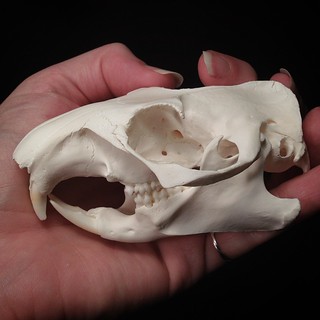
BONELUST PERSONAL COLLECTION: Another new rodent skull addition to my collection. Woodchuck (Marmota monax) AKA groundhog or marmot

Friday, May 15, 2015

BONELUST Q&A: "I've been macerating bones & they are now a strange color! Are they ruined?"

Maceration is the process of putrefaction to remove the remaining flesh from bone. It is the easiest & least expensive way to do this while still leaving bones in good condition. Note that this process is typically best for animals larger than a rat. Smaller bones can turn to mush during maceration as they themselves start to break down.

To macerate you take your animal remains that have very minimal flesh on them (never a whole animal!), add them to a plastic container & fill with plain tap water then replace the tight fitted lid. The lid is important because you don't want insect larvae in your maceration water only the bacteria that will grow and eat away the flesh. You also don't want to leave it out in the rain without a lid or you'll get algae growing. Insect larvae & algae with both start to break down and possibly even stain the bone.

The more flesh on the remains the longer this process will take. Somewhere around 2 weeks the bones should be coated with a film that's pink, red, rust, brown or black. That's normal & means the bacteria is working to remove the flesh. The bacteria may however be dead now though so time to change the water if still fleshy and start the process again, or time to start peroxide bath if done. Pour out only half on the nasty water and add fresh water to fill the rest of the container if the maceration is not done yet.


These deer bones were covered with a bright red film because they were left for too long in the maceration process, on accident. They were completely flesh free though. Thankfully I just hosed the film right off then started the peroxide step to get rid of the awful smell.

The odd colored film you see on your bones is a residue of the bacteria or the bacteria itself coating the bone. It does this when the water runs out of oxygen for the bacteria to survive. Referred to as the bacteria going anaerobic. This anaerobic bacteria in maceration replaces the microbes that were doing the maceration work of defleshing the bones. And therefore the maceration process has come to a halt.

It can be caused by too many microbes using up all of the oxygen in the water or it can be from an oily film on top of the water that keeps oxygen from entering the water. Some ways to prevent this are - larger quantities of water, changing the water or a bubbler. It commonly happens to marine mammal remains during maceration because of the high oil content in their bones rising to the top of the water.


This is a potbelly pig skull that started off lightly mummified that soaked undisturbed for 2 weeks. The maceration water was still fairly clear and yet the skull was turning black. I've found that when there is little flesh to work with or very old flesh this can happen. Sometimes the black film easily hoses off or goes away once the bone dries. In this case though it took a peroxide bath to remove the black coloration. 


Raccoon bone that was pulled out of maceration. It was dropped into peroxide and pulled out an hour later to show how fast the peroxide can get rid of the staining. It can in most cases happen instantly.


"Before" of diamondback rattlesnake bones straight out of maceration.


"After" of same diamondback rattlesnake bones after a peroxide bath.

The maceration water needs to be kept at a certain temp to work. It will not work in the Winter in most locations because it is too cold for the bacteria to survive. It will also die off if it gets too hot in warmer months. For exact temperatures & more extensive info about this see this blogspot blog.

Good luck!

Saturday, March 21, 2015

BONELUST Q&A: "What's this white stuff on my bones? How do I get rid of it?"

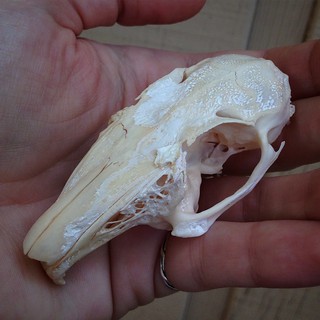
What you are seeing here on this rabbit skull is called adipocere AKA corpse wax, grave wax or mortuary wax. It is a crumbly, waxy, water-insoluble material consisting mostly of saturated fatty acids.  

BONELUST Q&A: "What's this white stuff on my bones? How do I get rid of it?" What you are seeing here on this rabbit skull is called adipocere AKA corpse wax, grave wax or mortuary wax.

Adipocere is the product of a chemical reaction in which fats react with water and hydrogen in the presence of bacterial enzymes, breaking down into fatty acids and soaps. Adipocere is resistant to bacteria and can protect a corpse, slowing further decomposition. The transformation of fats into adipocere occurs best in an environment that has an absence of oxygen and high levels of moisture. Adipocere formation begins within a month of death, and, in the absence of air, it can persist for centuries.

It is not uncommon for adipocere to be found on bones. Either found in a natural setting or while being processed. I've found that the best time to remove it is either A) when the bones are freshly out of maceration or peroxide and you use a toothbrush to literally brush the adipocere off while submerged in water or B) After the bones have been degreased, had a peroxide bath and then dried. The adipocere become less waxy and more flaky and you can more easily remove it with your fingernail or again, with a toothbrush. This time dry.

Be careful how much force you use on a bone with a brush or fingernail. This rabbit skull for example is going to be a real challenge for me to remove the adipocere as it is a very thin/fragile skull.  

Friday, March 20, 2015

BONELUST Q&A: "The teeth fell out of my skull! Did I do something wrong? How do I fix it?"

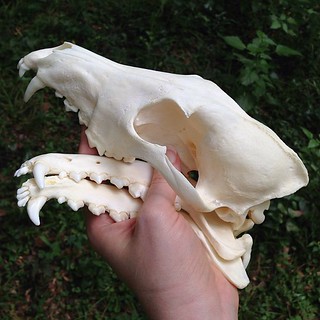
It is absolutely normal for some of the teeth to fall out of a skull you are processing. The gums that once held them in place are now gone. It is also normal for the mandible to split into two pieces in many animals, like this coyote.

BONELUST PERSONAL COLLECTION: Here's that same coyote skull I posted a while ago that someone glued the skull & mandible together with an awful brown glue. It only took a few days soaking in a peroxide bath to pop it off & for the mandible to come back ap

Take photos of the skull/head with teeth in place before starting to clean it if you think you will have trouble putting them back into the correct place.

BONELUST Q&A: "The teeth fell out of my skull! Did I do something wrong? How do I fix it?" It is absolutely normal for some of the teeth to fall out of a skull you are processing. The gums that once held them in place are now gone. It is also normal for t

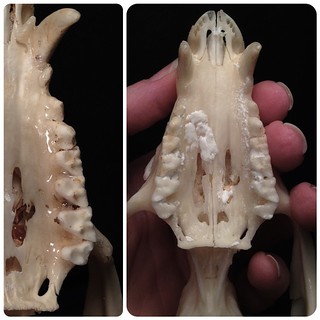
Pictured above is what you do NOT want to do! I received this absolutely glue saturated opossum skull from someone I though would know better. Second photo shows the same glue (white) before I brushed it off with a toothbrush, after I soaked the whole skull in water to remove the glue. Not all glues will come off in water but I suggest that as your first try.

Followup with a peroxide bath overnight. Then dry. Next you put the teeth back into place one by one with a very small amount of white school glue on each root before inserting into the skull. Wipe off any excess glue or it will be shiny on your skull. Let dry upside down so the teeth stay in place.

You put the mandibles back together with a small about of white school glue as well. They will not stay in place while drying without some help. I have a blog post already on how to reattach a mandible. 

BONELUST Q&A: "How do I put mandibles back together?" There are many ways to reattach two mandible halves that have come apart. Depends on the species. I prefer to use regular white school glue because you don't always get it right first time around. It i

Some animal skulls you can flip over and the freshly lightly glued mandible just stays nicely in place while drying. Also, by doing it that way you're sure you have them glued together at the right angle.

BONELUST Q&A: "How do I put mandibles back together & teeth back into a skull?" There are many ways to reattach two mandible halves that have come apart. Depends on the species. I prefer to use regular white school glue because you don't always get it rig

Thursday, March 19, 2015

BONELUST Q&A: "Can I just leave animals to decompose in a bone cage & do nothing else?"

I am frequently asked - "Can I just leave animals to decompose in a bone cage & do nothing else?"
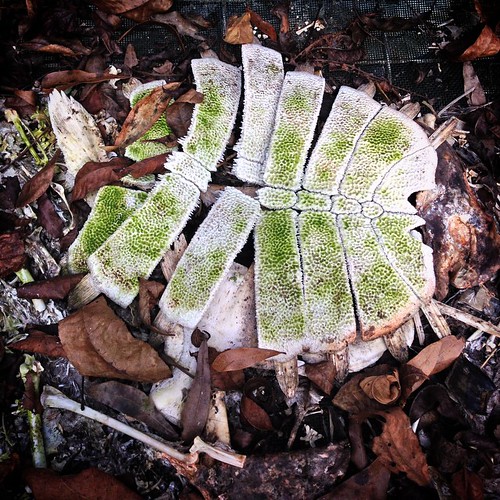
No, it is only one of the first steps in my bone processing techniques. There have been some misconceptions about how bone cages are used in my processing. There are several reasons you don't want to just leave an animal carcass in a bone cage for the months or even years it could take for nature to clean it for you.
Reasons Not to Leave Bones in a Bone Cage:

Lichen, moss, mold, algae et
c can start to grow into the bones. Sometimes you can't get this plant life out of the bone. Or the green stain off.

BONELUST Q&A: "Can I just leave animals to decompose in a bone cage & do nothing else?" No, it is only one of the first steps in bone processing. There have been some misconceptions about how my bone cages are used in my processing. There are several reas

Fallen leaves will eventually stain & decay the bones too. Also, you greatly chance getting rust on your bones which I've yet to find a fix for in over 30 years. So yes, rust stains are permanent in bone. Even though I put screen down over the metal wire cage it can still ruin the bone if left too long.
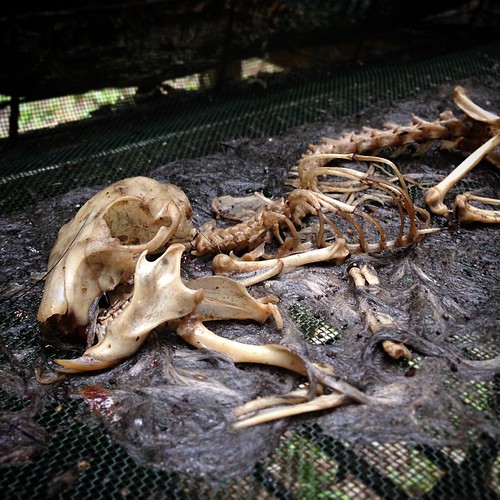
Remains of a squirrel in my bone cage after only two days with optimal weather.
Note the screen under the squirrel to catch tiny teeth/bones and keep it from rusting.

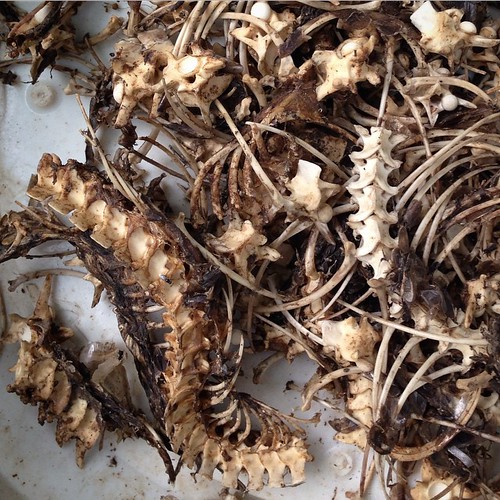
Pictured below are diamondback rattlesnake vertebrae & ribs I just removed from my bone cage today. I removed as much excess skin that remained then started them with the maceration process.

BONELUST Q&A: "Can I just leave animals to decompose in a bone cage & do nothing else?" No, it is only one of the first steps in my bone processing techniques. There have been some misconceptions about how bone cages are used in my processing. There are s
Normally my bone cages are used simply to let the wild carrion insects deflesh the animal remains for me. Then I move the bones onto the maceration step to further clean them of flesh, skin, ligaments, cartilage & such. Then degrease if needed and last step is the sanitizing & whitening hydrogen peroxide bath.

So in summary, if you left an animal carcass in a bone cage for the months or even years it could take for nature to fully clean it for you... you would likely end up with very weathered and flaky bone, with rusty undersides and plant growth.

Wednesday, October 1, 2014

Meet Jana Miller: Founder & Artist of Bone Lust

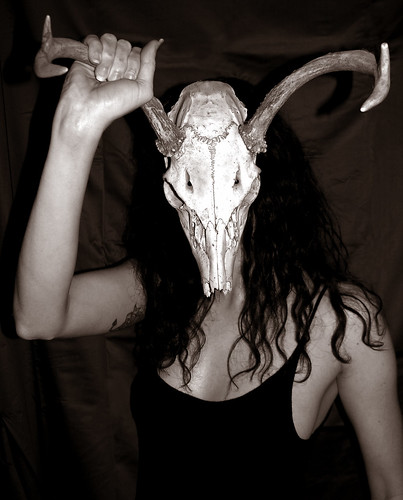
BONELUST - Self Portrait with White-tailed Deer Skull 3 - Ver2 Duotone
Self Portrait with White-tailed Deer Skull from 2009

I frequently get requests for interviews by magazines and online sites and I think the short pieces they usually do on my
Bone Lust work just doesn't paint the whole picture. So I'm posting this here as the definitive "About Me".

I've been collecting and processing bones and other things of nature for over 35 years now, as of 2014. Just always been a part of my life for as long as I can remember. I have a very science and nature oriented family. I've disliked waste from a vey young age. Started picking up bones and dead insects then. I still keep every single little pieces of animal/insect/fungi/rusty bits I find and try to use them in my art. I'm been called "the ultimate recycler" because it.

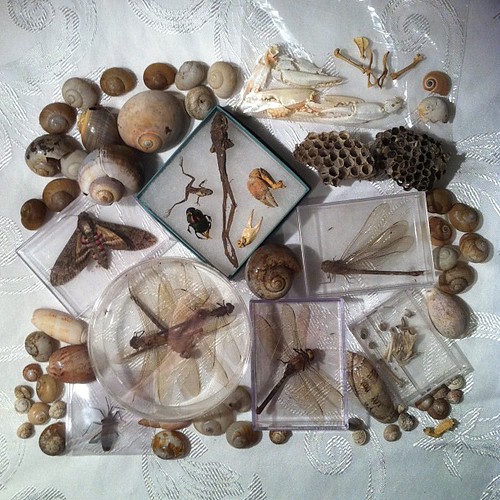
BONELUST ART & JEWELRY NATURAL SUPPLIES: Just now sorting these natural supplies that were a bday gifts. Insects, mummified frogs, bones, crab pinchers, snail shells & wasp nests. All ethically sourced & found by chance over many years. Already have plans
Naturally Dead Nature Finds For BoneLust Art Aupplies

I've been making animal bone and human teeth jewelry since the late 1980s - early 1990s. For a long time I only made it for myself and friends. In 2008, I became unemployed at no fault of my own. Previously, I had worked 10 years for NOAA/USGS deep-sea conservation scientists. So I went back to my roots for my new "career". I started my BoneLust blog in 2009, to share my lifetime of self taught bone processing experience with those that want to learn (without making the mistakes I already had). Soon after I started selling my bone art and jewelry to the public as Bone Lust.

Skunk Skull Wall Mount with Quartz Shard Bullet 1 Front
Skunk Skull Wall Mount with Quartz Shard Bullet created in 2013, by BoneLust

99% of my bone/taxidermy supplies I find dead and process myself. Even the insects. Ethical sources are very important to me. I can't stress this enough. My art is not about glorifying death but rather honoring and celebrating life. I would much rather see any of the animals, insects, plants used in my art alive. I never have nor ever will harm or kill an animal, insect or plant for my bone collection or art.

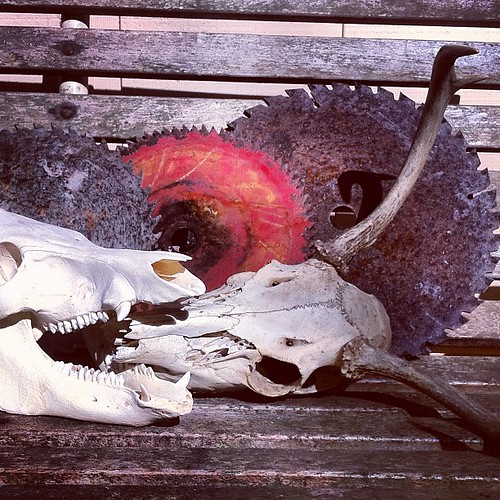
I've been hauling around these 3 old rusty saw blades for probably 15 years now with every intention of using them in my art. They nearly went to the scrap yard recently & I pulled them aside in the last minute. Since this is the year I want to do more ar
Rusty Vintage aw Blades & Skulls For BoneLust Art Projects

My bone processing techniques involve natural decomposition using a bone cage and the help of wild carrion insects. Then followed up by a rinsing step, degreasing step and lastly a sterilizing and whitening step. Leaving me with the strongest quality finished bones possible.

Remains of a squirrel in my bone cage after only two days with optimal weather.
Squirrel Skeleton In My Bone Cage

I'm currently located in very rural Florida. Deep country life is why I can process salvaged animals into bones much more easily than when I lived in more suburban areas of FL in the past. Plus finding deceased animals is easier here as well. Many are roadkill salvaged and from hunter dumping grounds. On a rare occasion I have animals donated to me. Also wanted to note that all animal remains used in my work are legal species for me to use.

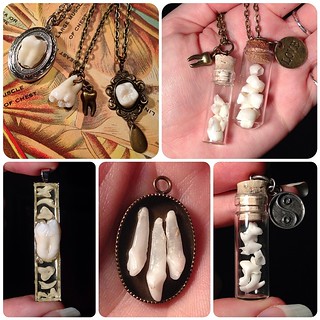
BONELUST TOOTH CUSTOM ORDER INFO: I have a number of creations I can make YOUR supplied teeth into. Human, pet or found animal teeth welcome! Glass displays, necklaces & rings. Some already have custom order listings at Bonelust.Etsy.Com in my Custom Orde
Examples of BoneLust Custom Orders With Customer Supplied Pet & Human Teeth

A couple things I specialize in is making art/jewelry out of customer supplied human and pet teeth. I also do pet memorial work. In other words, I get recently deceased furry friends in the mail and I turn them into pretty white bones and jewelry (fur, whiskers, claws, microchip, etc). You can see more examples here.

BONELUST PET PROCESSING & MEMORIAL JEWELRY INFO: I have been getting a lot of questions on this topic lately. If you want more info you must contact me directly at my shop to discuss the details please Bonelust.Etsy.Com
Examples of BoneLust Pet Processing & Memorial Pieces, 2014

Here is an earlier interview from 2010

And here is a detailed blog post that goes into what exactly ethical means to me.

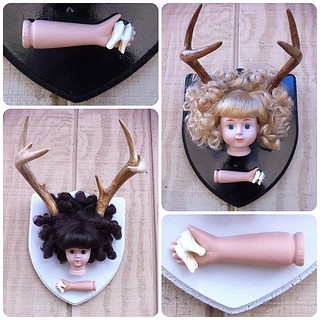
Two Deer Dolly Taxidermy Mounts Available In My Shop - Made With Vintage Porcelain Dolls, Deer Antlers & Teeth
Deer Dolly Taxidermy Mounts created in 2012, by BoneLust

Thursday, May 15, 2014

BONELUST SCIENCE LESSON - Bone Eating Squirrels

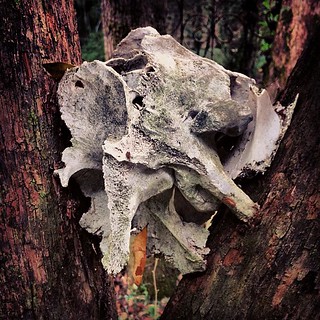
Today's Science Lesson: This Is A Well Gnawed On Boar Skull I Wedged Between Two Trees. I Toss Bones In The Woods As Well. Why? For Squirrels & Other Wildlife That Rely On Them For Minerals & Other Nutrients They Can't Get In Their Normal Diet.
The remains of a wild boar skull wedged into a tree on my property that has been very well gnawed out the past 10 years or so.

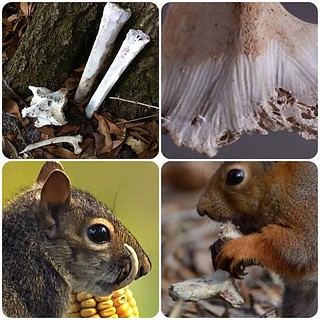
As a bone collector it is always important to leave some bones for the wild animals. I have tossed out bones around my entire property for them and have spots where I leave piles like in the first photo.


BONELUST SCIENCE LESSON - As a bone collector it is always important to leave some bones for the wild animals. I have tossed out bones around my entire property for them and have spots where I leave piles like in the first photo.

Why do I do this? Most bone collectors have found bones, skulls or even antlers or turtle shells with teeth gnaw marks on them in the outdoors. This is likely caused by squirrels in most cases.

They do this for two reasons: A) As a source of minerals sparse in their normal diet & B) To help keep their teeth from getting too long. Their teeth are always growing & if they get too long it can cause the squirrel to starve or even have the teeth impale them. Eventually resulting in the death of the squirrel. Other animals gnaw on bones for similar reasons as well. Like rabbits. This overgrowth of teeth is called malocclusion.

There was even a giraffe that was photographed recently found gnawing on an impala skull likely for similar reasons.

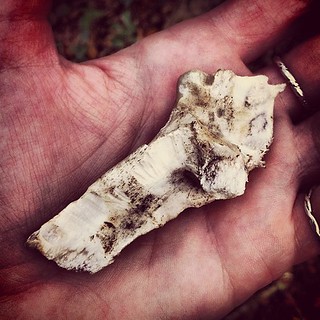
A Well Gnawed On Wild Boar Or Deer Bone Found In The Woods: Squirrels & Other Animals Eat Them For Nutrients They Can't Get From Their Regular Diet
A well gnawed on deer or wild boar bone.

Saturday, March 15, 2014

BONELUST Q&A: "How do I get the bones from this small animal?"

This is one of the smallest skulls in my collection at approx .5" long, from a Carolina Anole. The fact that I have some of these in good condition & complete is quite a task for me.


Give me an entire adult deer & I can process it for the bones no problem. But it is the tiny reptiles, amphibians, rodents, birds & etc that I have the hardest time processing. You can't macerate like you do with medium sized animals (raccoon, opossum, etc) & up (deer, boar, cattle). The bones can literally be eaten up by the bacteria that defleshes larger bones.

You also can't simply let dermestid beetles help with a skeleton this small and forget about it. I tried, and this is all they left me from 8 full lizards. Although I may try that again with a more controlled environment where I watch more closely with fewer beetles.

In the meantime, it comes down to painstakingly slowly & carefully removing the flesh by hand with tweezers & scalpel after rehydrating it with plain water. A very tedious process. Once I myself take the time to master this process I will make a blog about it.

Saturday, November 9, 2013

BONELUST Q&A: "Can't you get leprosy from armadillos?

First off, always be sanitary when handling any dead animals to process for their bone. Wear high quality waterproof gloves. Don't touch anything dead then cross contaminate like touching your face, clothes, steering wheel, or anything you may touch once you remove the gloves later. See my related blog post for more info on the sanitary concerns of bone processing/collecting.

Nine-banded Armadillo Young & My Foot - Dasypus novemcinctus
From back in 2003, a litter of armadillo were born under my house.

Armadillos are unfortunate in that are among the few known species that can contract leprosy. I want to stress the word CAN here. No, not all armadillos are carriers of leprosy as far too many people believe. But they can get it just as humans, mangabey monkeys, rabbits and mice can. It is too often misunderstood that all armadillos have the disease, they do not.

Prior to the arrival of Europeans in the late 15th century, leprosy was unknown in the New World. Given that armadillos are native to the New World, at some point they must have acquired the disease from humans. This is a scientific fact. So it is a matter of susceptibility NOT that one species alone is the main carrier spreading the disease. 

"Oh Hai" Nine-banded 
Armadillo Young - Dasypus novemcinctus

In order for a human to get leprosy from an armadillo it has to be infected first of all. Secondly you'd have to eat and/or heavily handle it. Armadillo to human spread cases are concentrated in Louisiana and Texas, where some people hunt, skin and eat armadillos.

Only about 150 to 250 people in the United States each year even get leprosy and not all of those cases were caused by armadillos. So, just be very careful when handling an armadillo dead or alive and avoid eating it and you're very unlikely to ever get it. Approximately 95% of people are naturally immune to the disease anyway and sufferers are no longer infectious after as little as two weeks of treatment if the disease is recognized and treated early on.


Wednesday, November 6, 2013

BONELUST Q&A: "Why is it bad to boil bones? It is the way I was taught to clean them a long time ago."

BONELUST Q&A: "Why is is bad to boil bones? It is the way I was taught to clean them a long time ago." I took these surplus deer leg bones & scapula to show you why. After only a couple hours of boiling them I could push my finger through these large prev

I took these surplus deer leg bones & scapula to show you why. After only a couple hours of boiling them I could push my finger through these large previously very solid deer leg bones with no effort & bend the scapula right in half. A rolling boil is very detrimental to the structure of bones. You literally cook off tiny pieces that hold it together. Even a very low heated slow simmer can eventually destroy bones. Especially ones smaller than these. I think many people learned the oldschool word-of-mouth techniques of bone processing which are to boil & bleach them. Even I started of experimenting with that & quickly found out it was a terribly bad idea. I've spent the last 35 years processing my own bones & now use the most delicate processes to keep them structurally sound for the long run. I share this priceless info freely with you so that you don't make the same mistakes I did. Stick to cold water maceration to have strong solid bones. Just takes more patience. Even if you don't see obvious damage to your bones after using a heated water process you have likely caused structural damage to your bone. Bone simply is not meant to be heated unless you are cooking off the flesh to eat & don't intend to keep the bones.

For much more info about this & why chlorine bleach is also bad read my related blog post Bad Words: Bleach & Boil

Friday, September 20, 2013

BONELUST Q&A: "Do you use dermestid beetles?"

BONELUST Q&A: "Do you use dermestid beetles." Carrion insects have always been a part of my bone processing but I've never had a captive colony of any kind. For a while I had a wild colony of dermestid beetles/larvae helping me clean. I posted photos of t

Carrion insects have always been a part of my bone processing but I’ve never had a captive colony of any kind. For a while I had a wild colony of dermestid beetles/larvae helping me clean. As long as I supplied them with new food they stuck around. But I’ve not yet had a captive colony. Ever since that episode of Oddities with the dermestid beetles in a NY apartment I constantly see beginner collectors talking about getting them to clean bones & it makes me cringe.

Looking Good In Dermestid Beetle Bone Cleaning World

Sorry but I don't agree that the best way to remove flesh from bones of an animal carcass is by using dermestid beetles. Many that suggests them too frequently neglect to also mention their care, upkeep and not to mention that while dermestid cleaned bones are beautifully flesh free they are also usually absolutely grease saturated. A step that's often completely skipped by me is degreasing because my maceration process often takes care of it. And to be honest I abhor bone degreasing. It is VERY time consuming and tedious. I'm also quite confused how the Oddities episode skips degreasing completely and goes straight from beetle defleshing to the Hydrogen Peroxide bath. As a longtime experienced bone collector/processor I know that scene must be missing or you'll end up with a grease saturated skull in most cases. Wanted to note that I actually do know Ryan and Monique that were in that episode, so I'm by far giving anyone hell... just wanted to point out some important factual things about bone processing and dermestid beetles that I feel were not mentioned in that episode of Oddities.

Wild Dermestid Beetle Cleaned Spine
I still had to macerate this spine after dermestid defleshing because the cartilage was still between the vertebrae.

Wild Dermestid Beetle Larva Working Their Magic Exposing the Clean White Bone In A Deer Leg

Care and upkeep of these beetles is far harder than people realize. I can’t recommend against it more if you are a beginner bone collector. Unless you actually need them for smaller animals & have a constant food supply for them, and are REALLY good at pet care I don’t ever suggest them to anyone. Plus, the maceration process is so easy & inexpensive in comparison. You literally need reg tap water, a tight lidded plastic container & patience.

So Excited To Have Just Found My Wild Dermestid Beetle Colony Back On Their Own & Looking Really Healthy!

Dermestid beetle care is far more complicated. They need very specific maintained temperatures, humidity, have to keep them free of parasitic mites, have to keep predators from them like spiders, need food/water, proper bedding, lighting, ventilation and enclosure... and so much more. I am currently working on setting up my first captive colony but only after a LOT of online research, talking to friends that successfully have healthy colonies & even located an out-of-print book on the topic. And I’m still not sure if I will be able to keep them alive but I will give it my best shot. The thought of them dying because I can’t properly care for them kills me. So I’ve prepared for this for literally years. Not haphazardly bought a starter colony online at a whim. If I'm successful I will post a followup blog.

Dermestid Beetle Larva Cleaning A Paw

There is a great misconception that feeding them alone is enough. Just drop a fleshy skull into your enclosure and you’re done. Or that cleaning bone is super fast and easy with a colony. Far from the truth. It takes a colony of literally 1000s of adults/larvae to even clean a med sized animal head. The larvae actually do most of the work but you need the adults to make more larvae

Why Buy a Colony of Flesh Eating Dermestid Beetles When You Can Get Them For Free?

So this was just a little PSA to REALLY do your research. They need care just like any other kind of pet. Also, if they get loose in your home they can eat a whole lot of other things in every common household besides dried flesh. I've actually lost a lot of my personal collections in the past of smaller bones and insects to wild colonies invading my home. And yes, adults can fly. So you’ve been warned! haha

For more info on the topics discussed here clink on the links in the post to go to my related extensive posts.